EcoMuseum Zagori :...
In the heart of Zagori, officially recognized as a UNESCO...
In the heart of Zagori, officially recognized as a UNESCO Cultural Landscape, lies an initiative that redefines what a “museum” can be. Within the boundaries of the Vikos–Aoos UNESCO Global Geopark, the Ecomuseum Zagori operates not as a building that houses collections, but as a living, evolving relationship between people,
nature and culture.
What Is an Ecomuseum?
Ecomuseum Zagori was founded in 2014 as a Social Cooperative Enterprise. From the beginning, its purpose has been to protect and promote the natural and cultural heritage of Zagori while contributing to sustainable local development. Unlike conventional museums, an ecomuseum follows a different philosophy. It is not confined to walls. It’s an open air museum and its “exhibits” remain in situ: bridges, paths, pastoral practices, stone architecture, oral traditions, ecosystems. These are not removed from their context. They are preserved within the landscape, where they continue to function as living testimonies of time.
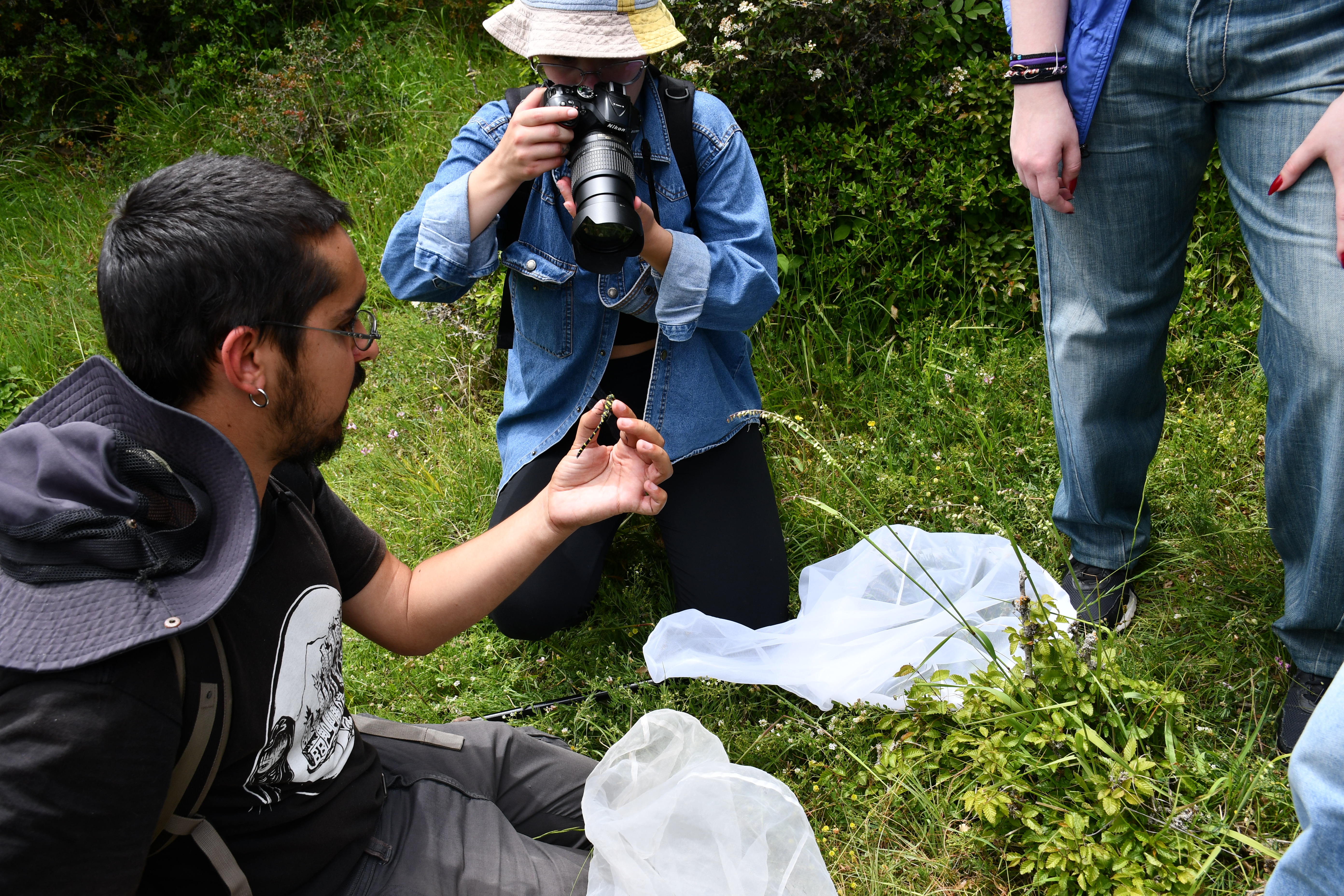
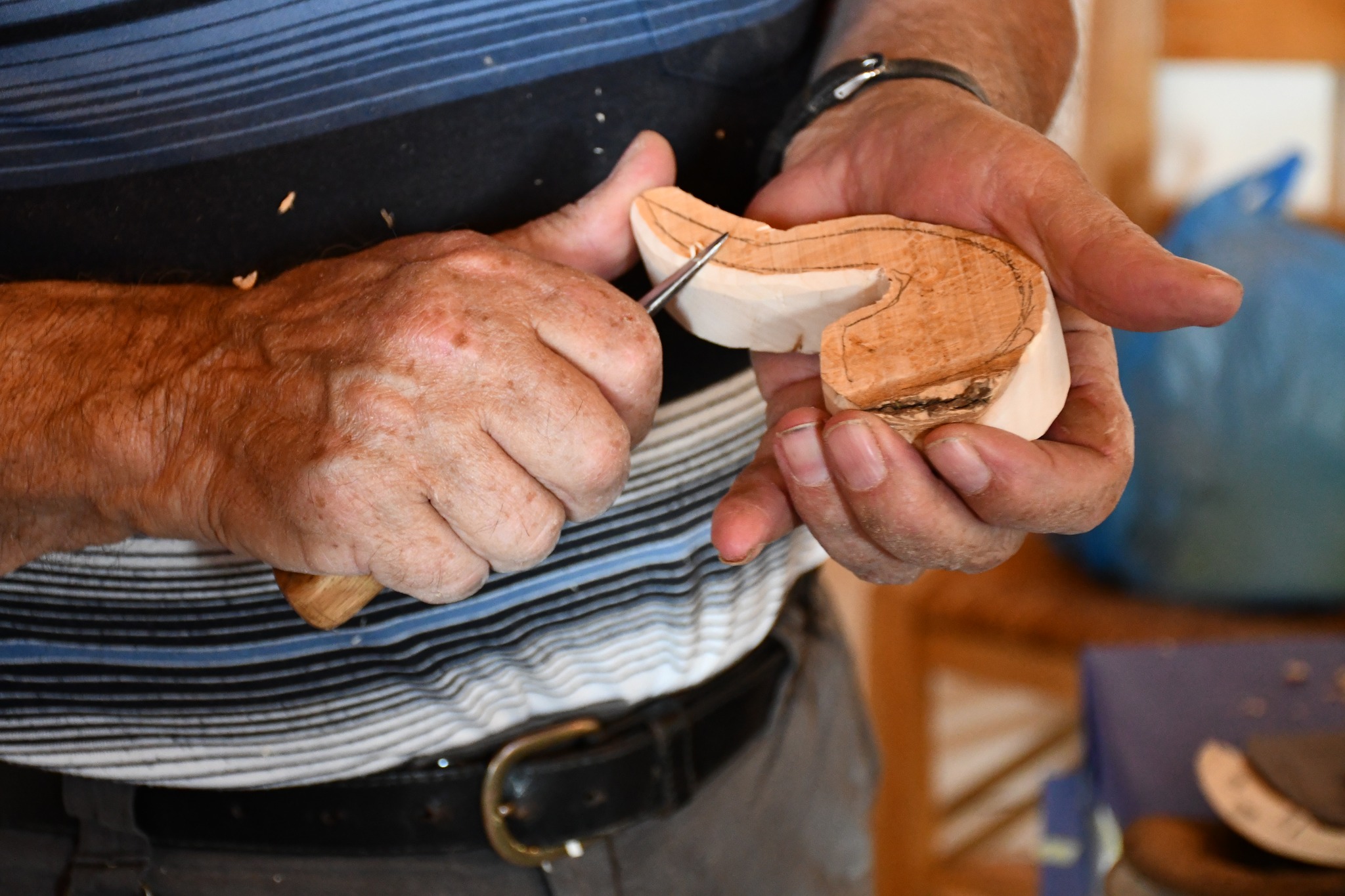
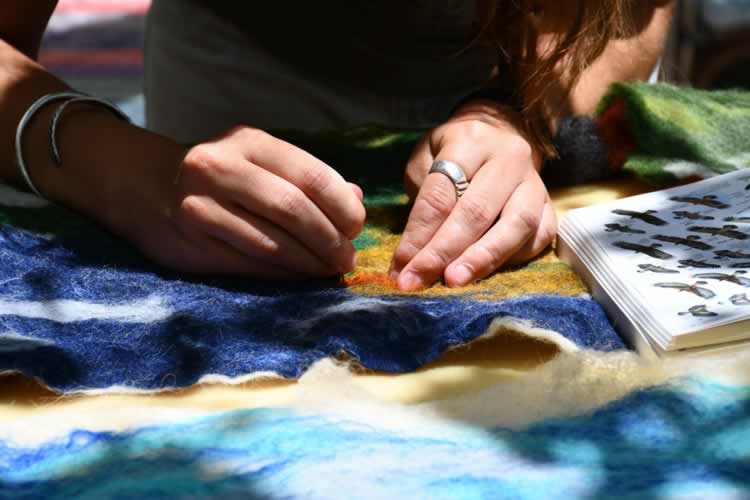
At its core, the Ecomuseum serves collective needs. Its mission extends beyond heritage preservation to the broader social benefit, including culture, ecology and the safeguarding of traditional professions and practices. It functions as a reference point in Zagori, a center for education and dialogue for both visitors and local community. On the one hand, the actively participating local community is the connecting link that transmits traditional knowledge to the present, and on the other hand, Ecomuseum visitors receive this knowledge by participating in workshops, seminars, and open educational activities connect people with the tangible and intangible heritage of the area.
A Community-Based Approach
Ecomuseum Zagori operates through the active participation of local residents and stakeholders. Its role is to strengthen awareness, encourage responsible management of natural and cultural resources, and support initiatives that benefit the wider community.
Its focus includes environmental protection, the safeguarding of traditional activities, the promotion of local products, and the development of alternative forms of tourism that respect the character of the region. In an area like Zagori, maintaining balance is essential between preservation and economic activity, between visitor access and environmental integrity. The Ecomuseum contributes to this balance by promoting sustainable rural development
rooted in local identity.
Walking Through a Living Museum
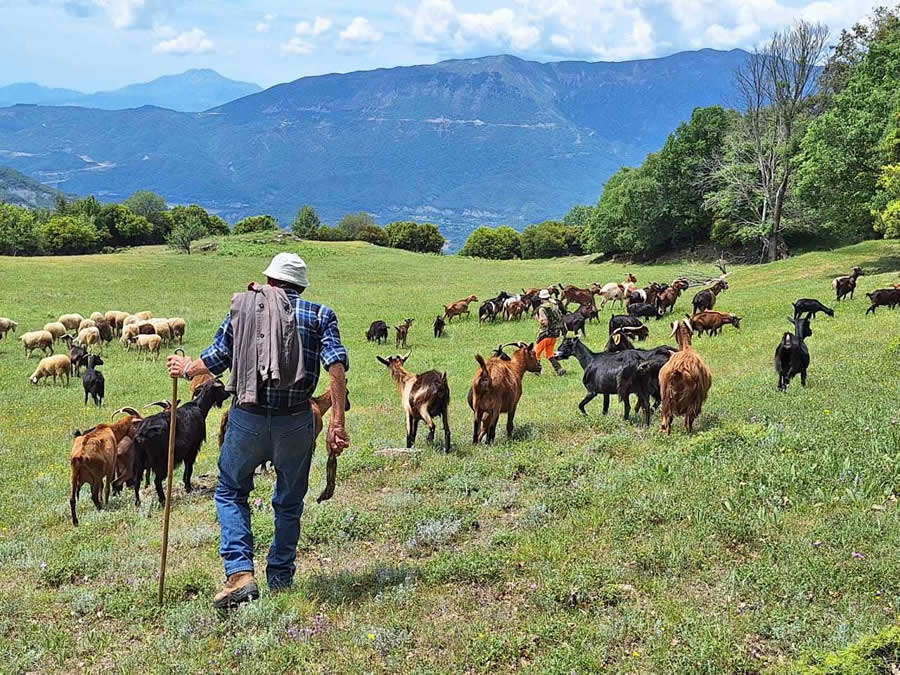
For those who hike the stone paths of Zagori, cross its arched bridges, or encounter shepherds along ancestral routes, the landscape tells stories. Ecomuseum Zagori does not interpret these stories from a distance. It works to ensure that they remain socially, environmentally, and culturally active.
In a place where hiking is not only recreation but a way of connecting with centuries of coexistence between humans and nature, Ecomuseum Zagori invites us to see the landscape differently. Not as scenery, but as shared heritage and shared responsibility.
by Dimitra Papaioannidou
31/03/2026
In the heart of Zagori, officially recognized as a UNESCO...
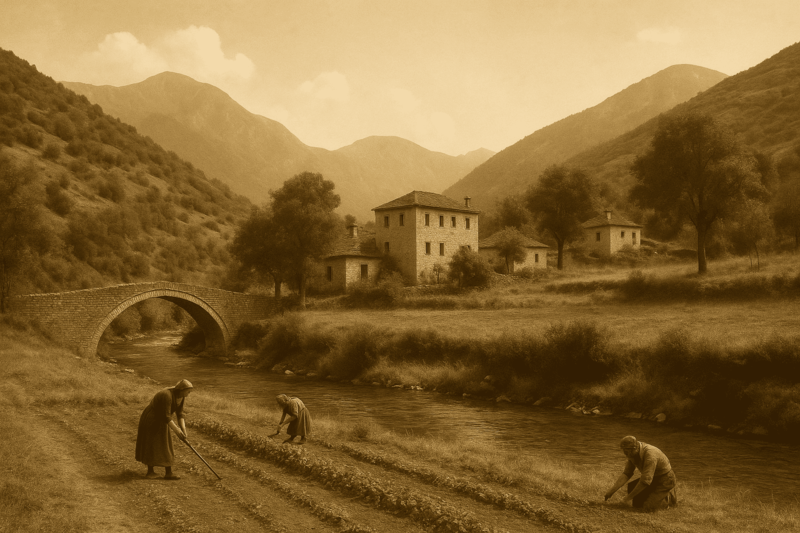
Discover the rich history of Greece's Pindus Mountains, from Ottoman-era...
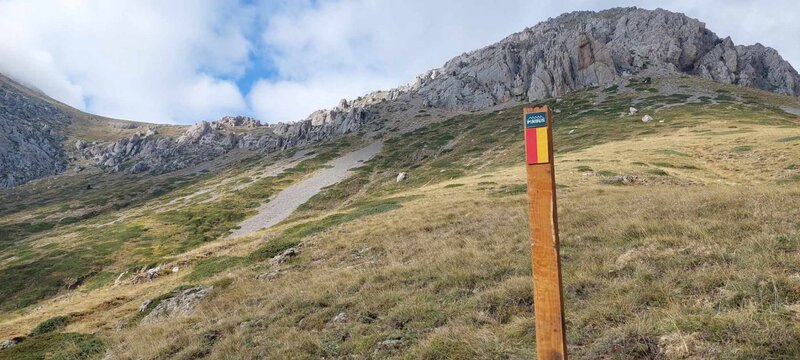
For centuries, Greece’s mountainous landscapes have been crisscrossed by an...
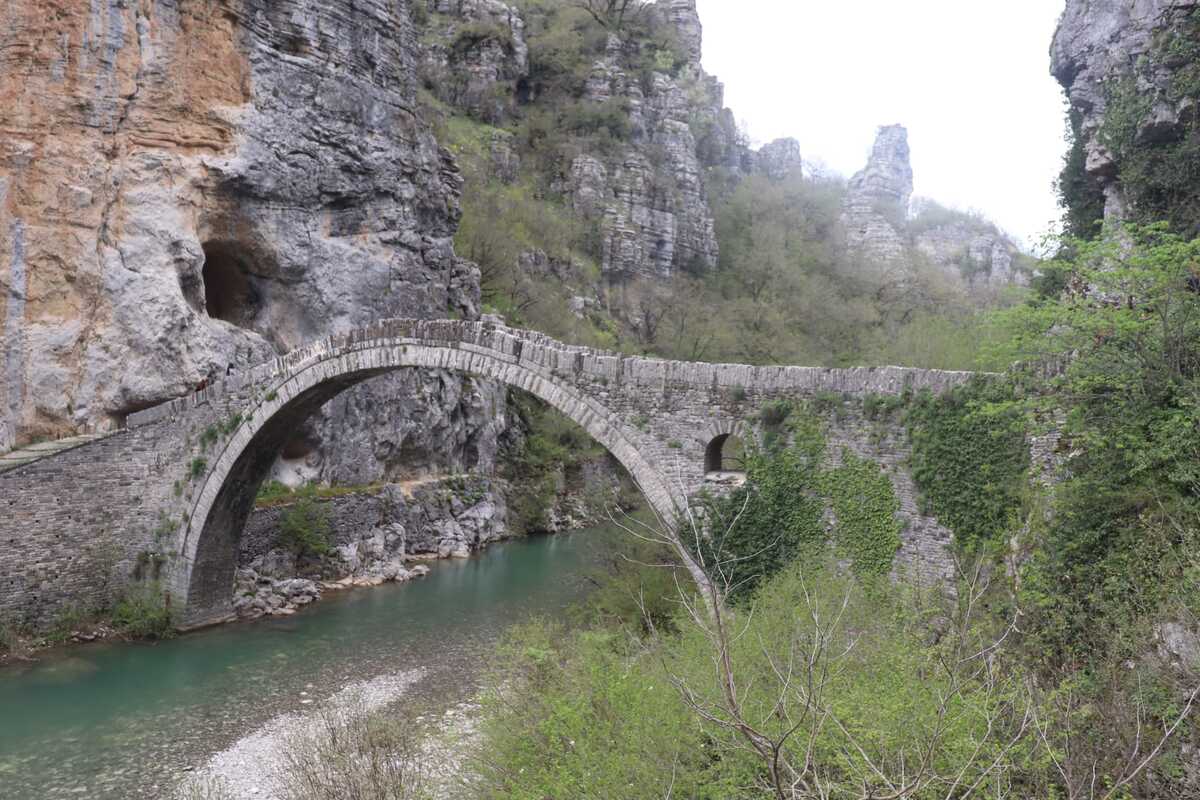
The stone bridges of Zagori, located within the Epirus region...